Provider Pathways Connecting Deposits to Mobile Spins Live Sessions and Loyalty Structures
Olivia Long · Aug 22, 2026
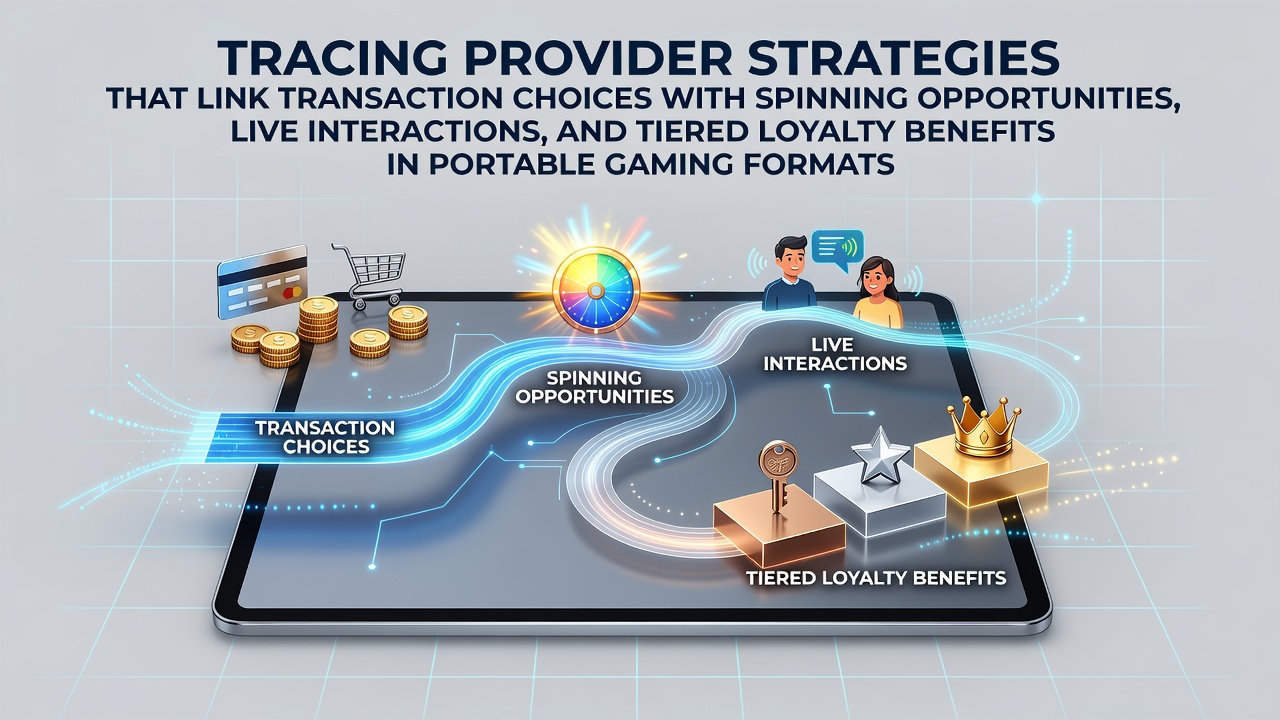
Provider Pathways Connecting Deposits to Mobile Spins Live Sessions and Loyalty Structures
Portable gaming formats have evolved into integrated ecosystems where transaction choices directly influence access to spinning opportunities, live interactions, and tiered loyalty benefits, and providers now design payment flows that unlock these elements in sequence. Data from industry analyses show that mobile platforms account for over 60 percent of global iGaming activity by mid-2026, which means providers focus on seamless deposit mechanisms that trigger immediate reel access while routing players toward live dealer environments and progressive reward ladders.
Transaction Systems That Feed Spinning Mechanics
Payment gateways serve as entry points that providers configure to release spinning opportunities without delay once funds clear, and this linkage appears in mobile applications where instant deposit confirmations activate free spin bundles or bonus multipliers on selected reels. Observers note that providers coordinate with multiple banking partners so that credit card, e-wallet, and bank transfer options each carry distinct reward triggers, whereas players who select certain digital wallets receive extra spins on progressive jackpot titles during the same session. Research indicates that these integrations reduce friction between funding and play, allowing mobile users to move from deposit confirmation screens directly into spinning interfaces that already carry loyalty progress markers.
August 2026 marks a period when several North American operators expanded these payment-to-spin pathways following updates from state-level regulators, and figures from the American Gaming Association reveal that mobile deposit volumes rose 22 percent year-over-year in jurisdictions that permitted expanded digital wallet use. Providers therefore embed transaction tracking that automatically credits loyalty points based on deposit size and frequency, which in turn influences the availability of higher-tier spinning features later in the same month.
Live Dealer Crossovers Built on Deposit Activity
Live interaction modules connect to the same transaction records that govern spinning access, so players who complete qualifying deposits unlock entry to live dealer tables that run alongside mobile slot sessions. Providers route these pathways through unified player accounts where deposit history determines the speed of seat reservation and the size of live-play bonuses, and data shows that crossovers between slot and live formats increase session duration by an average of 18 minutes per user. Those who study these systems find that tiered loyalty programs often require a mix of slot spins and live table participation to advance, which means providers design deposit incentives that encourage movement between the two formats within a single mobile interface.

Industry reports from the European Gaming and Betting Association document similar patterns across EU markets, where providers link live dealer access to deposit streaks that also accumulate toward higher loyalty ranks. The result is a continuous loop in which transaction choices influence both spinning volume and live participation thresholds, and mobile applications display real-time loyalty meters that update after each completed deposit or live round.
Tiered Loyalty Structures That Reward Combined Activity
Loyalty programs in portable formats now operate on unified ledgers that count deposits, spins, and live interactions toward tier advancement, and providers implement these systems so that players see progress bars that reflect activity across all three areas. Higher tiers unlock exclusive spinning opportunities such as higher RTP reels or private live tables, while lower tiers receive standard free spin allocations tied to initial deposit amounts. Researchers have tracked how these structures encourage sustained mobile engagement because tier benefits reset or expand monthly, prompting players to maintain deposit patterns that keep them eligible for live dealer promotions and spin multipliers.
Providers achieve this integration through backend APIs that synchronize transaction data with game servers and loyalty databases in real time, and the approach allows mobile users to view their current tier status immediately after any deposit or completed spin sequence. Case studies from Canadian operators illustrate that players who combine slot activity with live sessions advance tiers 35 percent faster than those who focus on a single format, which demonstrates the strategic value of linking all three elements through payment choices.
Conclusion
Providers continue to refine these connections between transaction methods, spinning features, live interactions, and loyalty tiers because mobile gaming volumes continue to grow across multiple regions. The strategies rely on data synchronization that treats deposits as gateways rather than isolated events, and the resulting pathways create measurable increases in player retention when all three components operate in concert. As portable formats expand further in late 2026, the same integration patterns are expected to appear in additional markets where regulatory frameworks permit expanded digital payment options.