Payment Pathways: How Transaction Timing Unlocks Layered Bonus Cycles and Jackpot Eligibility in Mobile Hybrid Games
Olivia Long · Aug 29, 2026
Payment Pathways: How Transaction Timing Unlocks Layered Bonus Cycles and Jackpot Eligibility in Mobile Hybrid Games
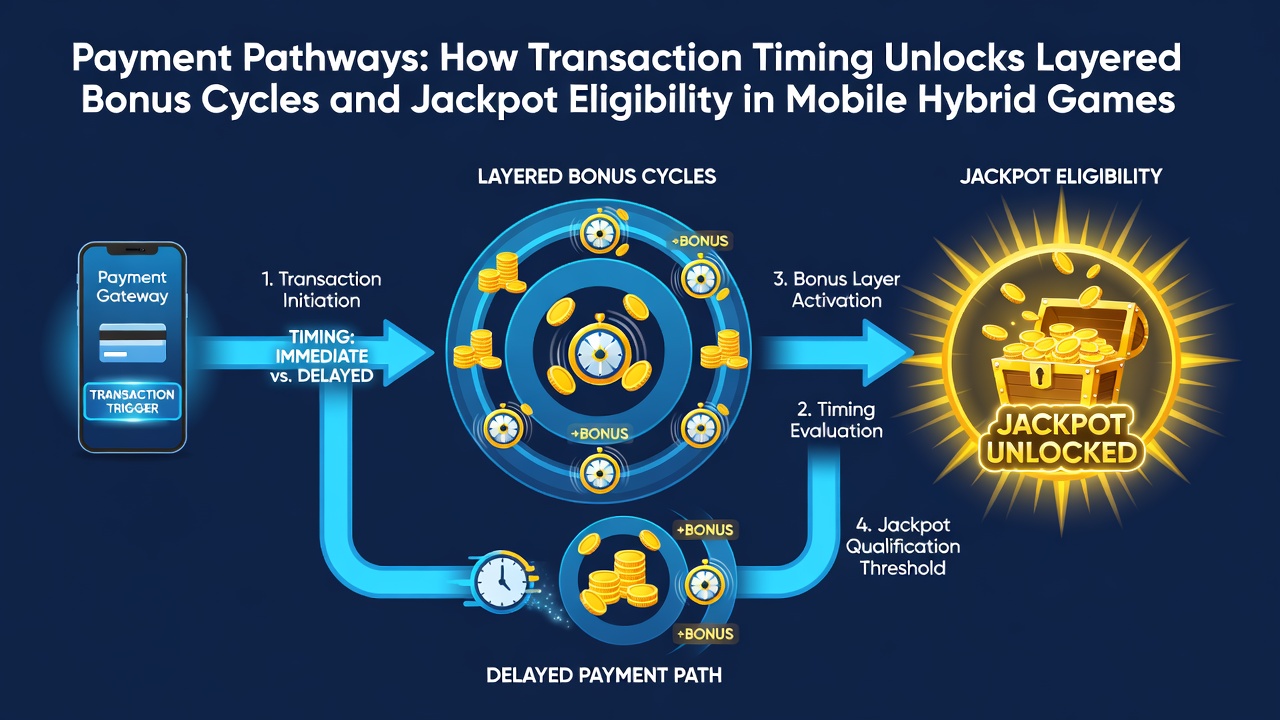
Payment pathways in mobile hybrid games connect deposit timing directly to bonus structures and jackpot access, with operators structuring systems so that transaction speed and sequencing determine eligibility for layered rewards. Hybrid titles combine slot mechanics with live dealer elements and progressive pools, where data from industry reports shows that players who complete deposits during specific windows gain entry to multi-stage bonus cycles that standard timing misses. Observers note these mechanics rely on backend synchronization between payment processors and game servers, allowing instant verification to trigger eligibility flags that persist across sessions.
Transaction Timing Mechanics in Mobile Platforms
Timing controls how deposits integrate with game logic, since many hybrid titles process payments through APIs that check for real-time confirmation before activating reward layers. A deposit completed within the first five minutes of a promotional window, for instance, often registers as part of an initial cycle that unlocks subsequent free spin tiers and jackpot multipliers. Research from gaming technology providers indicates that staggered timing across multiple deposits can stack these layers, whereas delayed transactions fall outside the active cycle and route to standard reward pools instead. Experts tracking mobile platforms have documented cases where players who align deposits with server reset periods access higher jackpot brackets that remain closed to off-cycle activity.
Layered Bonus Cycles and Eligibility Rules
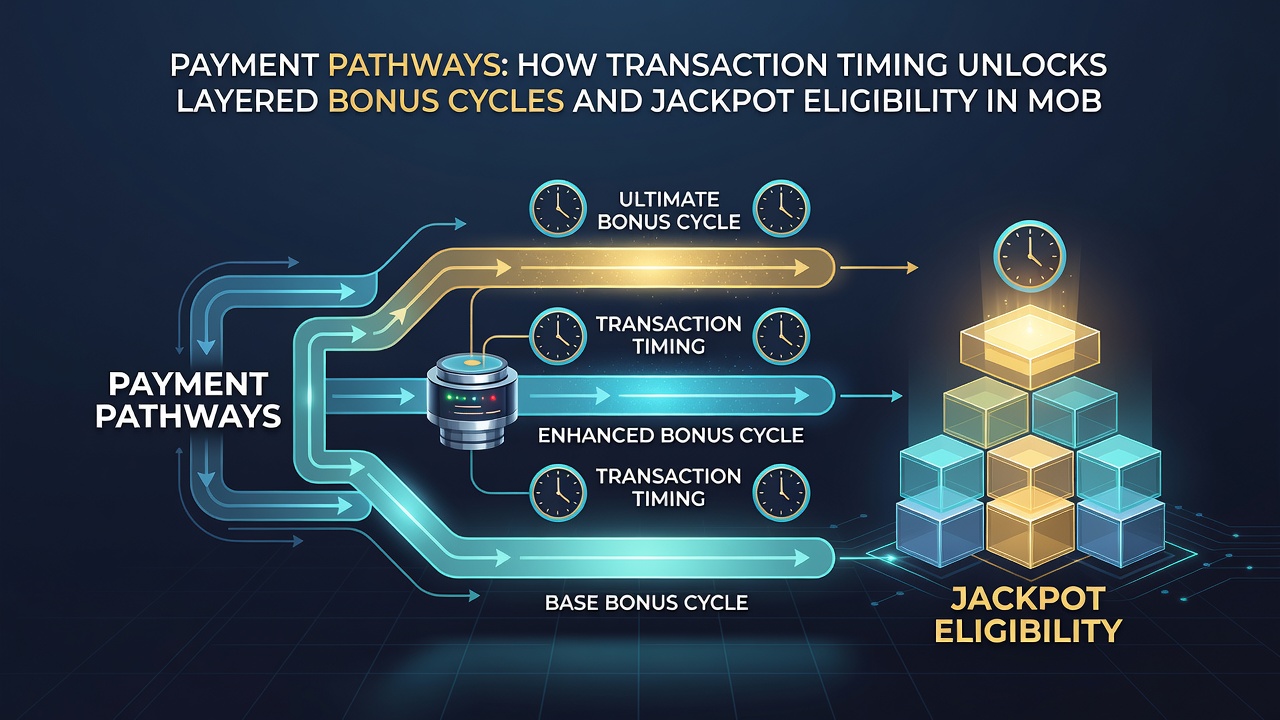
Layered bonus cycles operate through sequential triggers tied to payment verification timestamps, creating a chain where each successful transaction advances the player to the next reward stage. Data from platform analytics reveals that the first deposit in a cycle typically activates base free spins, while a second transaction within a defined interval escalates to multiplier bonuses and cross-game credits applicable to both slots and live tables. Those who study these systems explain that eligibility requires precise sequencing because the game engine logs payment metadata to enforce progression, preventing retroactive claims once a cycle closes. Hybrid games often embed these rules in their terms so that only timed deposits feed into the progressive jackpot pool, with separate tracking for each layer.
Jackpot Eligibility Through Payment Synchronization
Jackpot eligibility in these environments hinges on payment records matching the active eligibility window, as progressive systems poll transaction logs to confirm qualifying activity before adding to the pool or granting entry tickets. According to figures from the American Gaming Association, synchronized deposits during peak mobile hours correlate with increased jackpot contributions from hybrid titles, since faster pathways allow more players to meet the minimum transaction count required for pool access. Platforms route these payments through dedicated channels that timestamp each step, ensuring that only verified sequences contribute to the shared jackpot meter. Players who complete deposits across consecutive days within the cycle often accumulate additional entries, while single off-cycle transactions route to smaller fixed awards instead.
Regional Developments Affecting Payment Pathways in August 2026
Updates scheduled for August 2026 in several jurisdictions introduce standardized verification windows for mobile transactions, requiring operators to align deposit processing with new reporting intervals that affect bonus and jackpot tracking. Canadian regulatory frameworks, for example, have outlined requirements for timestamped payment records in hybrid games, which influences how cycles calculate eligibility across provincial platforms. Similar adjustments in Australian markets emphasize transparent logging of transaction sequences, allowing systems to distinguish between standard and timed deposits that unlock layered rewards. These changes build on existing industry practices where payment gateways already segment traffic to support real-time bonus activation without disrupting live dealer integration.
Case Examples from Platform Implementations
One implementation on a major hybrid title routes deposits through a primary gateway that flags timing data for the bonus engine, enabling players who deposit twice within a four-hour window to advance through three distinct layers before accessing an elevated jackpot tier. Another system studied by platform developers uses conditional checks after each transaction, automatically enrolling qualifying payments into a rolling cycle that carries eligibility forward to the next session. Observers tracking these examples report that the mechanics maintain separation between mobile-only rewards and cross-platform jackpots, with timing serving as the gatekeeper for both.
Conclusion
Payment pathways in mobile hybrid games tie transaction timing to structured bonus progression and jackpot participation through verifiable sequencing rules enforced by game servers and processors. Layered cycles depend on precise deposit windows that determine advancement, while eligibility for larger pools requires matching payment records to active periods. Regional updates planned for August 2026 continue to shape verification standards across markets, reinforcing the role of synchronized timing in reward access. These systems operate through documented backend processes that platforms maintain to manage eligibility consistently across hybrid formats.