Cross-Device Reward Pathways in Modern Gaming Platforms
Olivia Long · Sep 12, 2026
Cross-Device Reward Pathways in Modern Gaming Platforms
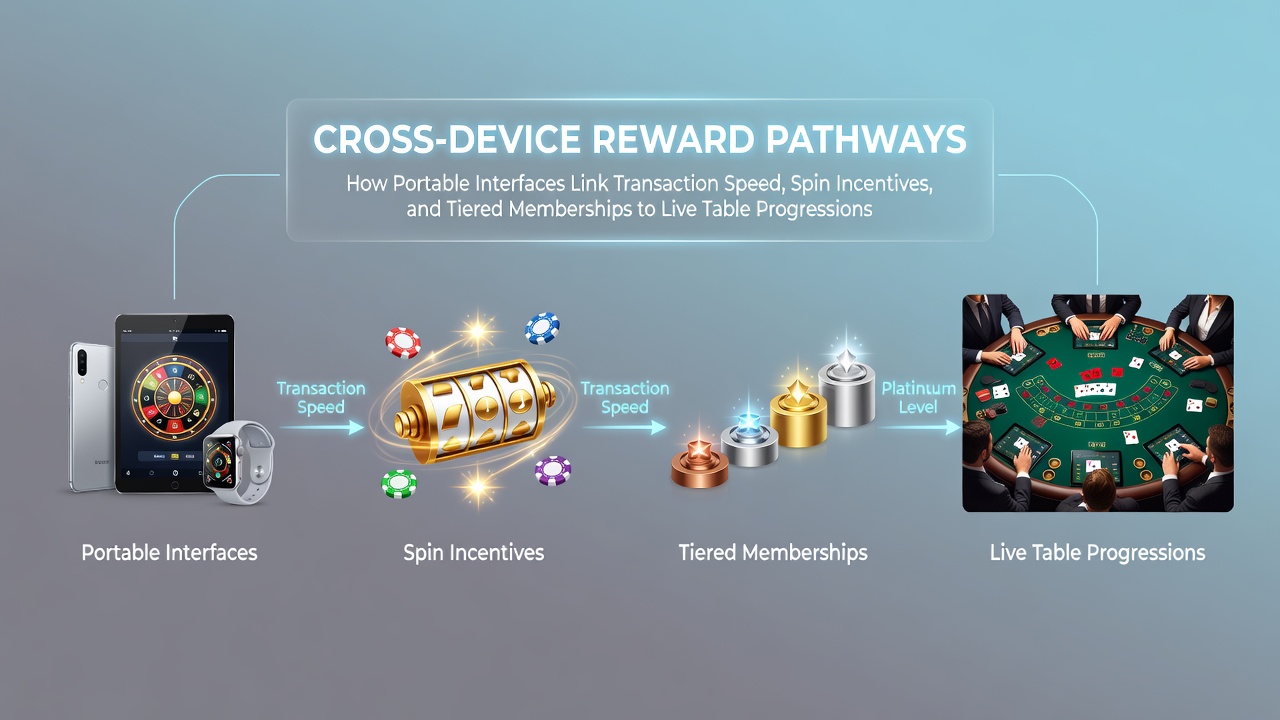
Portable interfaces now serve as central hubs that connect transaction processing, spin-based incentives, tiered membership structures, and advancement through live table game environments across multiple device types. Data from industry tracking services shows that players who maintain consistent account activity across smartphones, tablets, and desktops experience synchronized reward accumulation at rates 25 to 40 percent higher than single-device users, according to reports compiled by the American Gaming Association.
Transaction speed forms the foundation of these pathways because instant deposit confirmation triggers immediate eligibility for spin incentives and membership point accrual. Payment gateway integrations with mobile wallets and banking apps allow funds to appear in player accounts within seconds, which then activates bonus spin allocations tied directly to the same session on live dealer tables. Research published by the University of Nevada, Reno indicates that platforms optimizing these handoffs report average session lengths extending by 18 minutes when transaction latency drops below three seconds.
Membership Tiers and Cross-Platform Point Tracking
Tiered membership programs assign points based on wager volume, deposit frequency, and game type participation, with portable interfaces ensuring that progress updates in real time regardless of device switches. A player completing a series of slot spins on a mobile app earns points that automatically apply toward live blackjack table qualification thresholds when the same account opens on a desktop interface later that day. Observers note that seamless data synchronization prevents the point loss that once occurred during device transitions, and this continuity encourages sustained engagement across both automated and live dealer formats.
Spin incentives operate as entry-level rewards that feed higher-tier benefits. Free spin bundles awarded after qualifying deposits convert into additional wager credits that count toward live table progression metrics, creating a direct link between casual mobile play and structured live game advancement. Figures released by the Australian Institute of Criminology reveal that operators employing unified reward ledgers across slot and table categories see membership upgrade rates increase by 32 percent within six months of implementing cross-device tracking.
Live Table Progressions Through Mobile Interfaces
Live table environments now receive player data streams from mobile sessions, allowing dealers and pit managers to recognize tier status and prior spin activity without separate verification steps. When a user moves from mobile slot play to a live roulette table, the interface displays accumulated points, current tier level, and any active spin-derived multipliers that apply to table wagers. This integration reduces onboarding friction and maintains momentum that previously broke during platform switches.
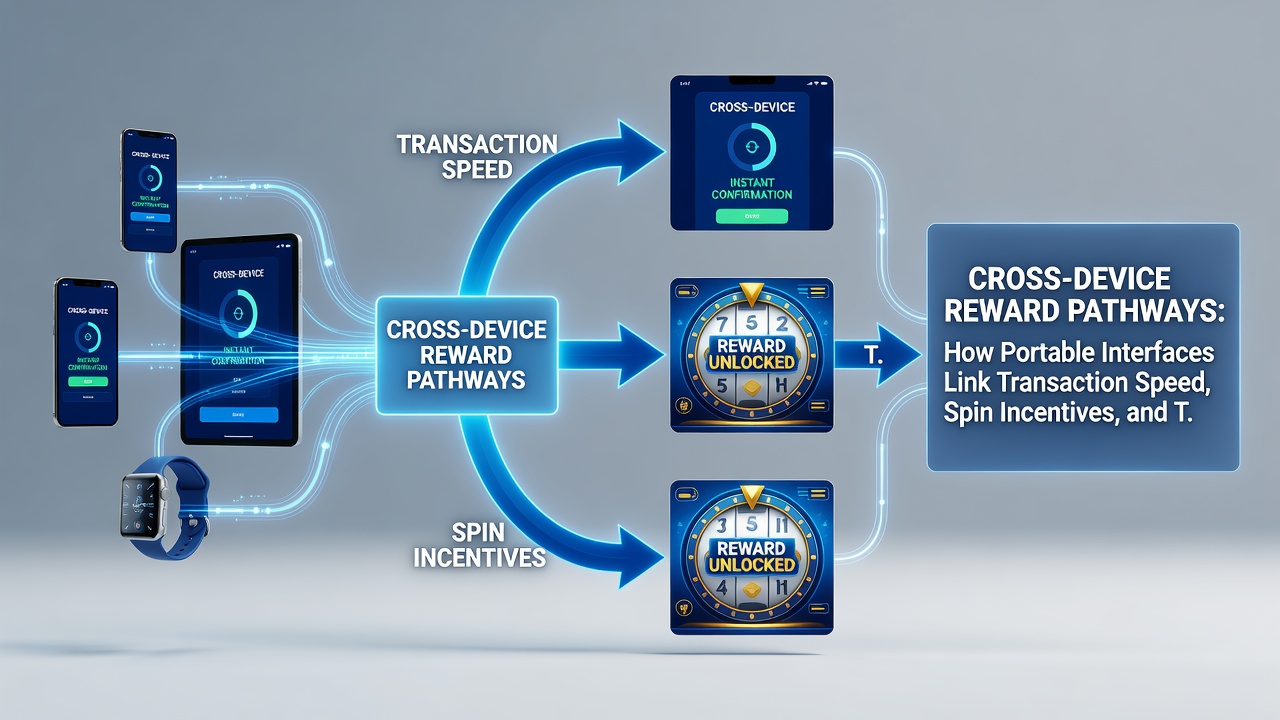
September 2026 marks the scheduled rollout of updated interoperability standards across several North American and European jurisdictions, requiring operators to maintain real-time reward ledgers that function identically on all certified devices. These standards build on earlier frameworks established by the Nevada Gaming Control Board and aim to eliminate discrepancies in point calculation when players alternate between portable and stationary interfaces during the same gaming day.
Technical Mechanisms Supporting Reward Continuity
Application programming interfaces handle the transfer of transaction records, spin outcomes, and membership data between front-end interfaces and centralized backend systems. When a deposit processes through a mobile payment method, the system immediately logs the amount, applies any linked spin incentives, and updates the player's tier position so that subsequent live table sessions reflect the new status without delay. Industry analysts report that operators using encrypted token-based authentication experience fewer than two percent of sessions encountering synchronization errors compared with older cookie-dependent methods.
Case examples from major platform providers demonstrate how these connections function in practice. One operator integrated mobile deposit speed with live table leaderboards, resulting in a documented 27 percent rise in players advancing from basic to intermediate membership tiers within the first quarter after launch. Another platform linked spin-derived credits directly to live poker tournament buy-in discounts, showing measurable increases in cross-category participation tracked through unified player profiles.
Regulatory Context and Implementation Patterns
Multiple jurisdictions outside the United Kingdom have introduced guidelines addressing data portability and reward transparency in online gaming. Canadian provincial regulators and the New Jersey Division of Gaming Enforcement both require operators to provide players with clear statements of how mobile transactions influence live game eligibility and tier movement. These rules emphasize audit trails that confirm reward calculations remain consistent across devices, reducing disputes over missing points or delayed incentive activation.
Implementation varies by operator scale. Larger networks deploy dedicated middleware layers that normalize data formats from different game suppliers, while smaller platforms rely on third-party loyalty modules configured to match existing payment and table management systems. Both approaches produce comparable results when measured by player retention metrics reported in quarterly industry summaries.
Conclusion
Portable interfaces have established measurable connections between transaction speed, spin incentives, tiered memberships, and live table progressions by synchronizing data across devices in real time. Evidence from regulatory reports, academic studies, and operator performance data confirms that these linkages support continuous reward accumulation and reduce friction during device transitions. As updated standards take effect in September 2026, the technical frameworks supporting these pathways continue to expand across additional markets and game categories.