Charting Developer Tactics for Fusing Instant Funding Streams with Spins and Live Tables into Tiered Reward Ascents
Ulrich Coleman · Sep 26, 2026
Charting Developer Tactics for Fusing Instant Funding Streams with Spins and Live Tables into Tiered Reward Ascents
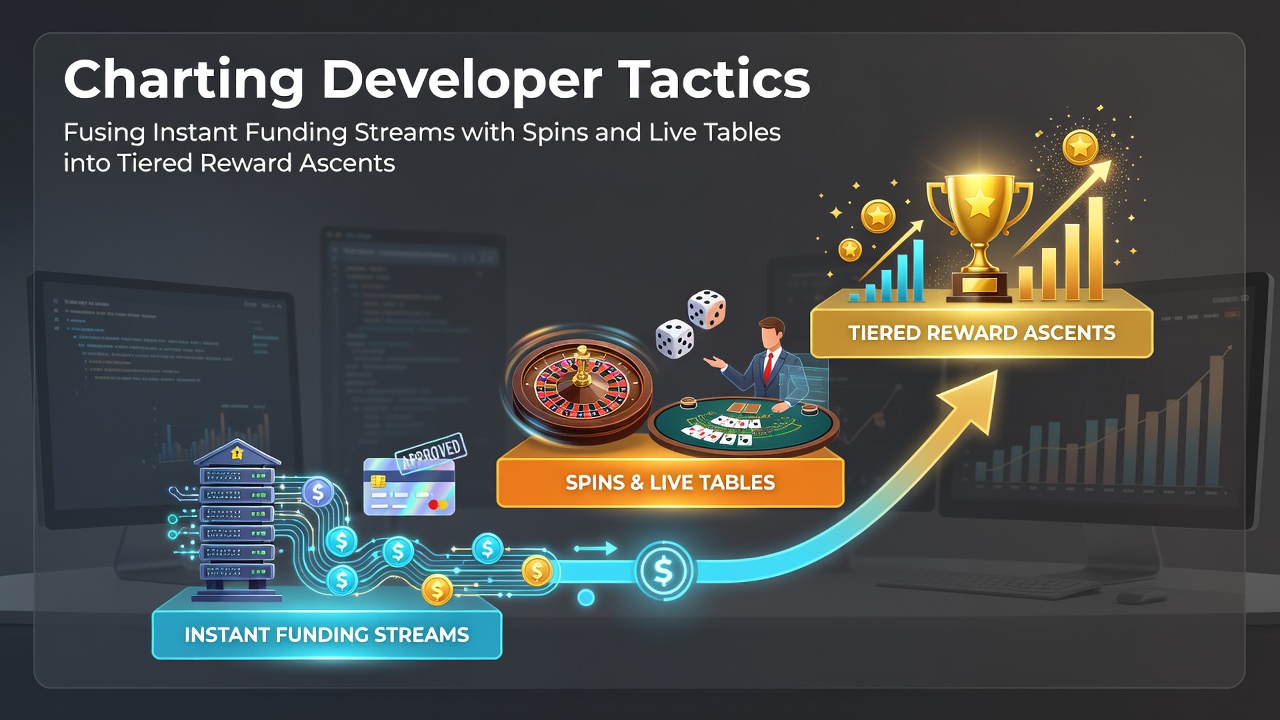
Game developers continue to refine systems that connect instant funding options directly to slot spins and live dealer tables, creating pathways that feed into tiered loyalty programs across mobile platforms, and data from industry reports shows these integrations have accelerated since early 2025. Payment processors now embed APIs that trigger bonus spins the moment deposits clear, while live table sessions feed activity metrics into the same reward engines that track slot progress. This approach allows operators to route player actions from one game type into unified ascent ladders without separate tracking layers.
Developers achieve this by building unified player profiles that update in real time as funds move, spins land, or live bets resolve, and according to research from the European Gaming and Betting Association such profiles reduce fragmentation that once forced players to manage multiple accounts. Instant funding streams, often powered by open banking or digital wallets, link to spin multipliers that scale with deposit size, whereas live table contributions accumulate points based on duration and stake level. Those who've examined provider roadmaps note that middleware layers now sit between the payment gateway and the game servers, allowing seamless handoffs where a completed deposit immediately unlocks a live table entry ticket or a bundle of spins.
Mechanics Behind the Integration
Core tactics include event-driven triggers that fire when a deposit succeeds, automatically crediting spins or awarding live table credits that count toward the next loyalty tier, and figures from the Canadian Gaming Association reveal that platforms using these triggers see higher session continuity rates. Developers layer progressive multipliers on top, so repeated deposits within a cycle increase both spin values and live table rakeback percentages, all while feeding a single ascent meter. Live dealer streams incorporate side bets that double as loyalty accelerators, routing winnings or losses into the same tier calculation used for slot progressions.
One engineering pattern involves modular reward engines that accept inputs from three distinct sources, payments, spins, and live tables, then normalize them into equivalent points, and this normalization lets a player deposit, spin, then switch to a live blackjack table without losing accumulated momentum. Data indicates that such engines rely on timestamped event logs to prevent double counting, ensuring each funding action or game outcome advances the tier only once. Providers test these flows extensively in staging environments before deployment, particularly ahead of regulatory shifts expected across multiple jurisdictions in September 2026.
Case Examples from Current Implementations
Take one developer that introduced a unified wallet interface where a single tap moves funds into either slots or live tables and simultaneously logs the transaction against the player's tier ladder, and observers note this reduced drop-off between game types. Another team embedded spin bundles inside live table lobbies, so time spent at roulette automatically generates redeemable spins that carry their own tier multipliers. Research indicates these crossovers have increased average revenue per user by aligning incentives across previously separate verticals.
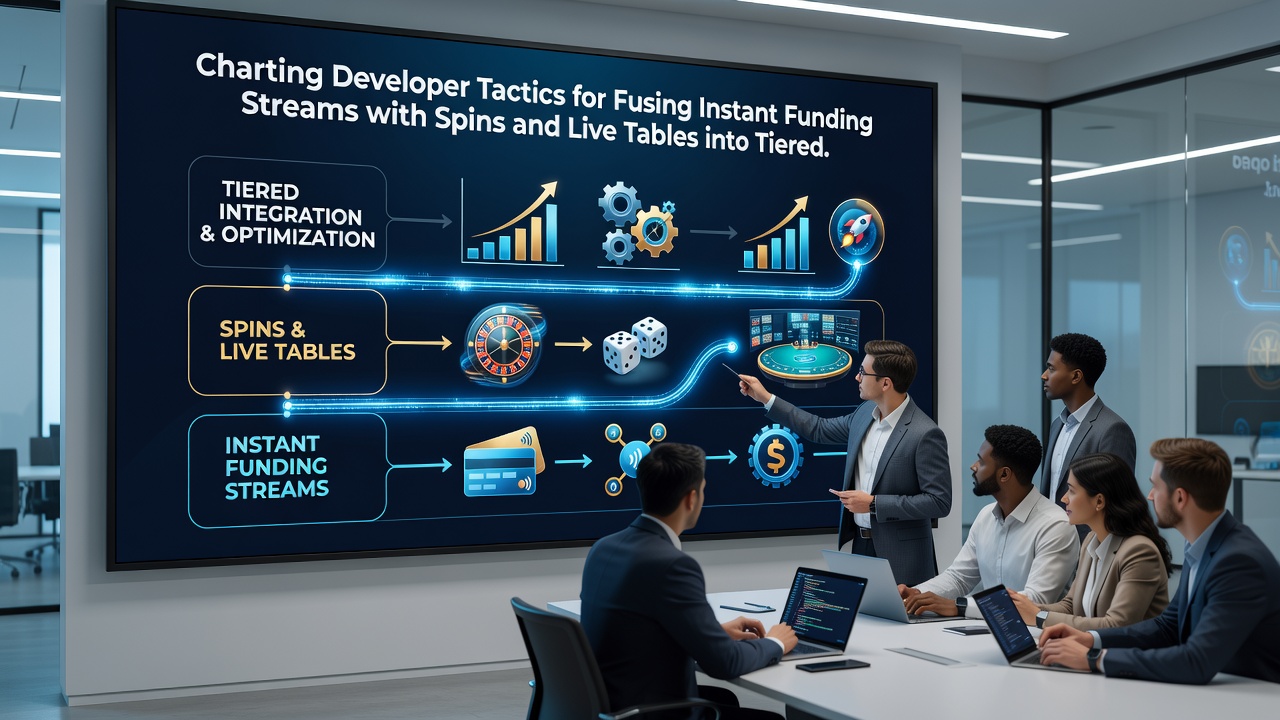
What's interesting is how developers now use machine learning models to predict the optimal moment to surface a funding prompt during a live session, inserting it between hands so the player can top up without leaving the table, and the resulting spins or credits then push the account toward the next reward bracket. Academic studies on player behavior, including work published by the University of Nevada's gaming research center, show that these timed interventions maintain engagement while directing activity into higher-tier brackets.
Technical and Regulatory Considerations
Security protocols require end-to-end encryption for funding streams alongside real-time validation of spin and table outcomes, ensuring tier ascents rest on verified data, and industry organizations such as the World Lottery Association have published guidelines that address these combined data flows. Developers also prepare for September 2026 updates in several regions by building flexible rule engines that can adjust point values or eligibility thresholds without full code redeployment. This adaptability matters because different markets impose varying caps on stake contributions from live tables versus slots.
Teams document each integration point so compliance teams can audit how a deposit flows into spins, how those spins influence live table bonuses, and how all three elements combine to unlock tier benefits. Such documentation supports transparent reporting to regulators outside the UK, including bodies in Australia and parts of the EU that monitor cross-product reward systems.
Conclusion
Developers continue to map new connections between instant funding, spins, and live tables, turning each player action into measurable progress on tiered ladders, and the resulting architectures support sustained engagement across mobile environments. As platforms prepare for evolving requirements in September 2026 and beyond, these fused systems provide the backbone for reward programs that treat deposits, spins, and live play as interchangeable inputs rather than isolated features.